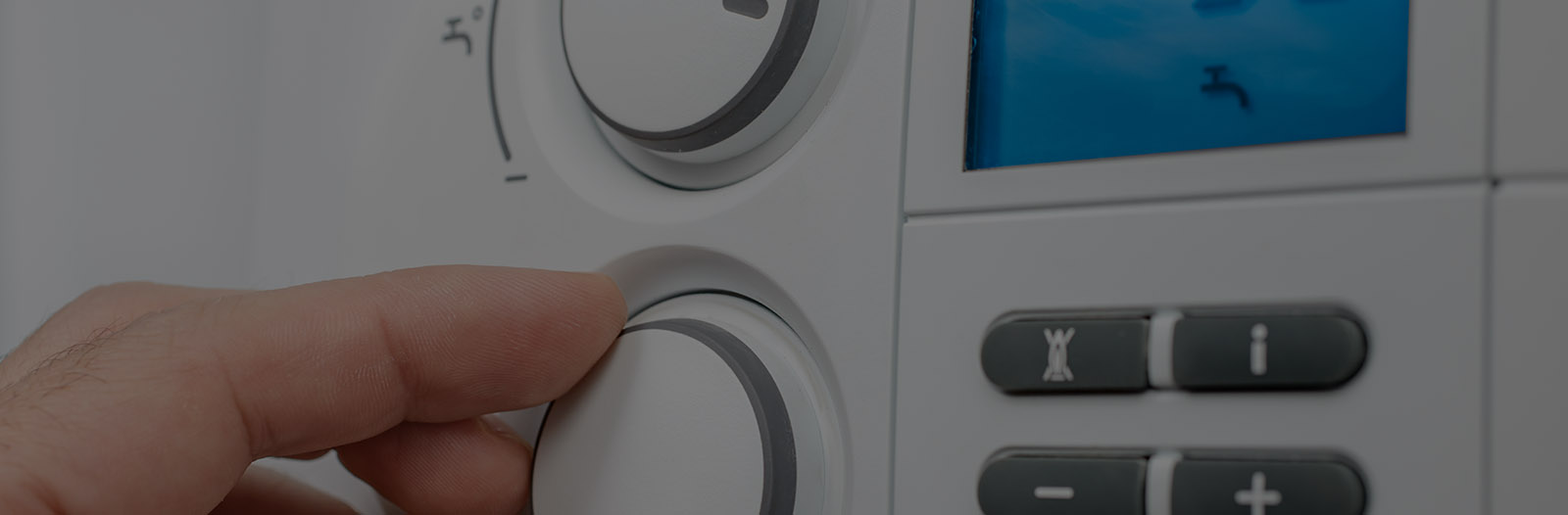
If your radiators are warming up but the hot tap runs cold, it is frustrating and worrying, especially in colder weather. The good news is that this pattern often points to a handful of common faults, and a few simple checks can help you work out what is going on.
How your boiler type affects the fault
The first step is to work out what sort of heating and hot water system you have. This makes the symptoms much easier to understand and explain to an engineer.
A combi boiler heats water directly from the mains when you turn on a tap, and usually there is no hot water cylinder. If a combi fault affects only hot water or only heating, it often points to an internal part such as the diverter valve or a sensor.
A system or regular boiler with a cylinder heats water in a separate hot water tank, usually in an airing cupboard or loft. Here, different controls and valves decide whether the boiler heats the radiators, the cylinder, or both. If your heating works but you have no hot water, it might be a valve fault or an issue with the cylinder thermostat or programmer settings.
Safe first checks before calling an engineer
Before you assume the boiler itself is broken, it is worth spending a few minutes on safe, basic checks. You do not need tools, and you should never remove boiler covers or touch any gas components.
Check the timer/programmer: Make sure the hot water is actually set to be on, either continuously or during the times you expect it.
Inspect the boiler display: Look for any error codes, flashing lights or warning symbols and note them down.
Confirm boiler mode: On a combi, make sure it is not set to heating only; many have separate hot water and heating icons.
Thermostats: Check the cylinder thermostat (if you have one) is set high enough, usually around 60 °C, and that room thermostats are not calling for constant heating at the expense of hot water schedules.
System pressure: On sealed systems and combis, the pressure gauge on the front should typically be around 1 to 1.5 bar when cold. If it is very low, your boiler may refuse to heat water reliably.
Common causes when heating works but hot water does not
Once the basics are ruled out, certain faults become likely depending on your system type. Knowing these can help you describe the problem clearly when you book a repair.
Diverter valve problems on combi boilers
In a combi boiler, a part called the diverter valve sends hot water either to the radiators or to your taps and shower. If it sticks or fails, you may get good heating but no hot water, or only lukewarm water that keeps going hot and cold.
Diverter valve faults are internal to the boiler and need a qualified engineer to diagnose and replace. You may notice the boiler fires up when you run a tap, but the radiators get hot instead of the tap water, or you hear clicking and whirring with no result.
Sensor and thermistor faults
Modern boilers rely on temperature sensors (often called thermistors) to control how hot the water gets. If a sensor fails or reads incorrectly, the boiler may not recognise that hot water is needed, or it may overheat and shut down briefly.
Signs can include inconsistent hot water, the boiler firing for only a few seconds, or error codes related to flow temperature or domestic hot water temperature. Again, these are not DIY jobs, but they are usually straightforward for an experienced engineer.
Motorised valve and cylinder thermostat issues
On systems with a hot water cylinder, one or more motorised valves direct hot water from the boiler to either the radiators or the cylinder. If the hot water valve fails or jams, the boiler can happily heat the radiators while the cylinder stays cool.
You might hear the boiler running and see hot flow pipes going to the heating, but the pipe into the cylinder remains cold. A faulty cylinder thermostat can cause similar symptoms, as it may not be asking the boiler to heat the tank even though the water is cold.
Airlocks and low pressure
If air becomes trapped in the system, or the pressure drops too low, hot water flow can be disrupted. You may notice spluttering taps, noisy pipes, or radiators needing frequent bleeding.
Some simple airlocks on tap pipework can be cleared with safe methods, but air or pressure issues affecting the boiler or cylinder circuit are best checked by a professional to avoid damage or leaks.
What to try and what to note
Use this quick flow to decide your next step and gather useful information for the engineer.
Step 1: Confirm what works and what does not. Do radiators heat up normally? Does any tap get hot at all? Is the shower affected too?
Step 2: Check controls and settings. Ensure the programmer is calling for hot water, boiler mode is correct, and relevant thermostats are turned up.
Step 3: Look at the boiler display. Note any error code, flashing lights, or unusual symbols. Take a photo if you can.
Step 4: Check system pressure (if you have a pressure gauge) and listen for unusual noises such as kettling, banging, or constant whirring.
Step 5: If the problem persists after basic checks, switch off the boiler at the controls if it seems to be struggling, and contact a Gas Safe registered engineer.
Why professional diagnosis matters
Modern boilers pack a lot of safety features and electronics into a compact unit. While it is tempting to try and fix a lack of hot water yourself, anything involving the boiler internals or gas supply must be left to a Gas Safe registered engineer.
Incorrect DIY repairs can lead to leaks, damage to the boiler, invalidated warranties, or in the worst cases, gas leaks and carbon monoxide risk. A professional will test components properly, confirm the root cause, and ensure your system is operating safely before they leave.
Regular boiler servicing also gives engineers the chance to spot worn parts such as diverter valves, sensors, and motorised valves before they fail, reducing the chance of suddenly losing hot water.
Next steps and booking a repair
If you have worked through the basic checks and still have no hot water, the safest and quickest route back to normal is a professional diagnosis. Make a note of what you have tried, any error codes, your boiler make and model, and whether heating is working or not.
A Armstrong Plumbing & Heating can help with fault finding and boiler repairs.
For fast, friendly help with no hot water or heating issues, call A Armstrong Plumbing & Heating on 07904590952 to arrange a boiler repair visit, and ask about regular servicing to reduce the risk of future breakdowns.