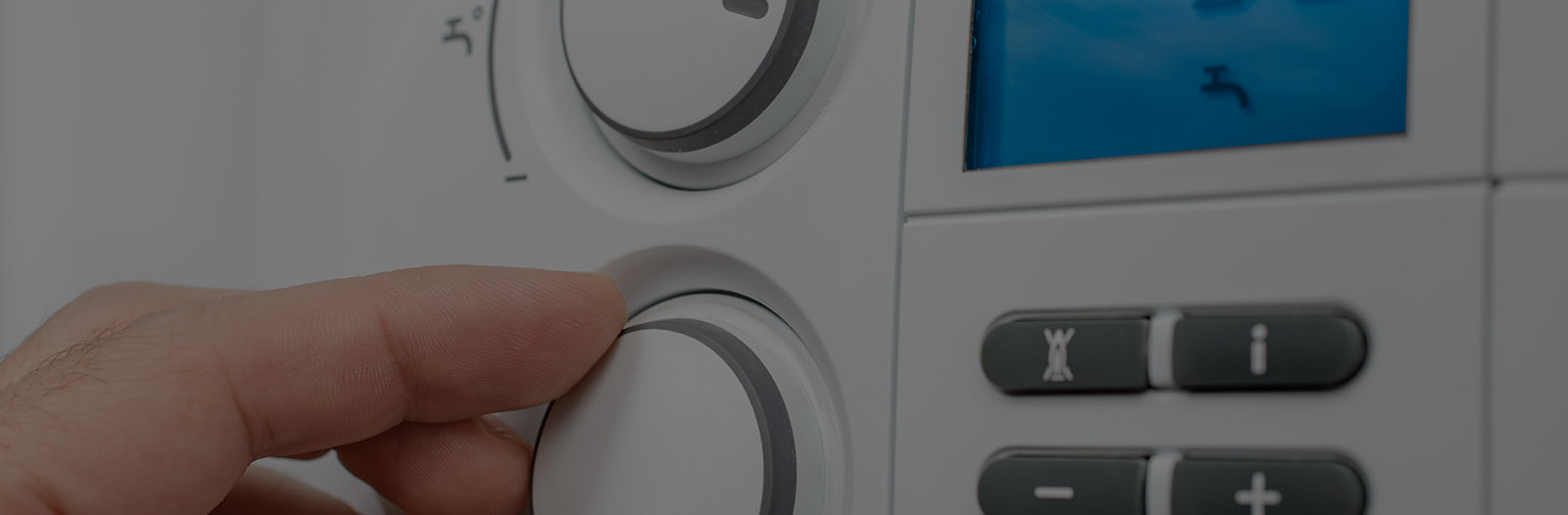
If your taps are running hot but the radiators stay cold, it is frustrating and confusing. The good news is that this fault is often caused by something simple, and there are a few safe checks you can do before calling out an engineer.
First checks when you have no heating but hot water
Start by working through things in order. Many heating callouts end up being simple setting issues that homeowners could have spotted themselves.
Use this quick checklist before you look at anything else:
Confirm your heating is scheduled to be ON at the programmer or app
Turn the room thermostat right up and listen for a click
Check the boiler display for a radiator or flame symbol
Check the pressure gauge is in the green (typically around 1 to 1.5 bar when cold)
Feel the heating pipes near the boiler to see if they start to warm
If any of these do not behave as expected, it gives a strong clue about where the problem lies. The next sections explain what to look for on different types of systems.
Understanding combi vs system / regular boilers
A combi boiler heats water for taps directly from the mains and also runs your radiators. System and regular boilers heat water into a cylinder for taps, and also supply a separate heating circuit for radiators.
The reason this matters is that certain faults are more likely on certain setups. With hot water working but no heating, combis often suffer diverter valve or pressure issues, while system or regular boilers frequently have valve or pump problems on the heating side.
Combi boiler supplying hot water but radiators cold
Check programmer, room thermostat and boiler display
Even with a combi, many homes have a wall programmer or smart controls. Make sure the heating channel is set to ON or timed, not OFF, and that your current time period is actually calling for heat.
Next, turn the room thermostat up to maximum in the main living area. You should usually hear a click as it calls for heat. Look at the boiler: does a radiator symbol or similar appear, and does the burner light up or fan start?
Low system pressure stopping the heating
Combi boilers have a pressure gauge, often with a green band around 1 to 1.5 bar. If the pressure is very low, some boilers will refuse to run the heating, even if hot water still works.
If your manual confirms that topping up pressure is a user task and you feel confident, you can carefully follow the instructions. If you are unsure, or the pressure keeps dropping, you should contact an engineer rather than repeatedly repressurising the system.
Diverter valve and pump issues
Inside a combi, a diverter valve decides whether the heat goes to taps or radiators. These valves can stick so that the boiler prioritises hot water only, leaving the radiators cold.
Similarly, the circulation pump can fail or seize. With the heating turned on, listen near the boiler for a quiet humming or gentle whooshing sound. Silence or unusual noises can point to pump trouble, which needs professional attention.
System or regular boiler: cylinder hot but radiators off
Programmer and heating zone settings
On a system or regular boiler, there are usually separate settings for hot water and heating. Check the programmer to make sure the heating channel, not just the hot water channel, is set to ON or timed.
If you have multiple zones, such as upstairs and downstairs, ensure the correct zone is on. It is easy for one zone to be accidentally turned off while the other still works.
Room thermostat not calling for heat
A faulty or incorrectly set room thermostat is a very common cause of no heating. Turn the thermostat up above the current room temperature and listen for a click or look for an indicator light.
If nothing happens and the boiler does not show any sign of starting the heating cycle, the thermostat, its batteries, or the wiring could be at fault.
Motorised valves stuck on hot water
Most traditional systems use one or more motorised valves to control whether hot water goes to the cylinder, radiators, or both. These are usually metal valves with a small box actuator on top, near the hot water cylinder or in the airing cupboard.
If a valve is stuck in the hot water position, the cylinder will heat up normally but the radiators will never get hot. Sometimes you can feel the pipe on the heating side of the valve: if it stays cool while the boiler runs, it suggests the valve is not opening, which needs an engineer to put right.
Pump failure, airlocks and radiator valves
With the heating on, place your hand gently on the pump body (usually near the cylinder or boiler). You should feel a steady vibration and slight warmth. If it is stone cold and silent, there may be a power or pump issue.
Airlocks in the pipework can also stop circulation, particularly after recent work or draining. If only some radiators are cold, or you hear gurgling, bleeding the radiators starting downstairs and working up can help, but stop immediately if you feel unsure.
It is also worth checking that the radiator valves are actually open. The manual valve should be turned fully anti-clockwise, and thermostatic valves should not be set to frost or off.
Step-by-step checklist to follow
To keep things clear, follow this order when diagnosing hot water only faults:
Is the heating channel ON at the programmer or app during the time you are checking?
Is the room thermostat turned up so it is definitely calling for heat?
Does the boiler show a heating or radiator symbol when it should be running?
Can you hear the boiler and pump running, or do you see repeated lockouts?
Is the pressure gauge in the normal range, and do the heating pipes start to get warm?
If you get stuck at any step, or are not comfortable doing the check, it is perfectly sensible to stop there and arrange a visit from a qualified engineer.
Things you should not attempt yourself
Modern boilers are complex gas appliances, and there are clear limits to what is safe for a homeowner to do. You must not remove the boiler casing or interfere with internal components; this is work for a Gas Safe registered engineer only.
Switch the system off at the control panel and call for help if you notice any of the following:
Signs such as overheating or kettling noises, a burning smell, visible leaks from the boiler or pipework, or the boiler repeatedly locking out or showing fault codes all need professional diagnosis. Do not reset the boiler over and over if it keeps locking out.
Next steps and getting expert help
If you have worked through the basic checks and still have hot water but no heating, the fault is likely with components such as motorised valves, diverter valves, pumps or controls. These are not DIY jobs and are usually quick for a competent engineer to test.
If you are in or around Christchurch and need a fast, friendly repair, A Armstrong Plumbing & Heating can help. To book Heating Repairs or Boiler Repairs, call 07904590952 and our experienced engineers will get your home warm again as soon as possible.