Blog
What Is a Power Flush? Signs You Need One & How It Works
Understand when a power flush is genuinely needed, what happens during the process, and the safe alternatives for your home heating system.

If your radiators are stubbornly cold or your boiler sounds like a kettle, you might have been told you need a power flush. Before you agree to any work, it helps to understand what a power flush is, what it really does, and when it is (and is not) the right solution for your home.
What a power flush actually is
A power flush is a deep clean of your central heating system using a specialist pump and cleaning chemicals. The aim is to shift sludge, rust and debris from radiators, pipework and the boiler so hot water can circulate properly again.
Over time, metal in your system corrodes and forms a thick, dark sludge. This can block pipes, clog radiator bottoms and strain your boiler and pump. A proper power flush is designed to move that sludge out of the system and leave it filled with clean, treated water.
Common signs you might need a power flush
Sludge build-up affects how heat flows around your home. Some symptoms are strong clues that circulation is poor and cleaning may be needed.
Look out for these typical warning signs:
Radiators cold at the bottom but hot at the top, even after bleeding
Some radiators barely heating up while others are fine
Boiler or pipes making banging, gurgling or kettling noises
Having to bleed radiators frequently to get rid of trapped air
Dirty, very dark water when radiators are bled
These issues do not guarantee you need a power flush, but they are a good reason to get a heating engineer to inspect your system. Sometimes a smaller fix is enough.
When a power flush is usually recommended
Engineers typically suggest a power flush when circulation problems are clearly linked to sludge. For example, when most radiators are affected, not just one or two, and normal bleeding and balancing has not solved the problem.
It is often recommended before fitting a new boiler to an older system, so that fresh equipment is not immediately contaminated with old sludge. It may also be advised if pumps or valves keep failing prematurely, as debris can cause extra wear.
Situations where caution is needed
Not every heating system is a good candidate for a full power flush. Older systems with very thin pipework, fragile radiators or existing leaks can be put under extra stress by the cleaning process.
A good engineer will always check the general condition of radiators and pipework, look for signs of weeping joints, and consider the age of the system. In some cases, a gentler clean or targeted repairs may be safer than a full power flush.
What happens during a typical power flush visit
Although every engineer has their own preferred method, most power flush jobs follow a similar pattern. Knowing the basic steps can make the process less daunting and help you ask informed questions.
Step 1: System assessment and isolation
The visit should start with checks on your boiler, radiators and pipework. The engineer will identify any obvious leaks, very corroded radiators or stuck valves before going ahead.
They will then isolate the heating system, switch off the boiler and protect floors and furnishings in the work area. In some cases, they may remove a problem radiator to flush it separately.
Step 2: Connecting the power flush machine
A powerful pumping unit is connected to the heating circuit, often via the pipework, a radiator, or the pump connections. Your boiler is not used to drive the flush, so it stays off while cleaning takes place.
The machine circulates water mixed with cleaning chemicals through the system at high flow, helping to lift sludge and rust from internal surfaces.
Step 3: Circulating chemicals and agitating radiators
The cleaning solution is pumped around for a set period so it can break down deposits. Engineers often use radiator agitators or rubber mallets to gently tap radiators, loosening stubborn sludge.
They may work through your home one radiator at a time, closing valves on others so the full flow focuses on a single radiator while it is being flushed.
Step 4: Flushing each radiator and dumping dirty water
As sludge is lifted, the dirty water is discharged from the machine and replaced with clean water until it runs clear. This process is repeated across all radiators to give the whole system a thorough clean.
Throughout, the engineer will monitor flow rates, water clarity and pressures to avoid stressing the system more than necessary.
Step 5: Refilling, inhibitor and checks
Once the cleaning stage is finished, the system is refilled with fresh water along with a corrosion inhibitor. This chemical helps protect against future sludge build-up.
The engineer will then bleed and balance the radiators, restart the boiler and check that the system is heating evenly. Ideally, they will show you the difference in radiator performance compared with before the flush.
Alternatives and supporting solutions
A full power flush is not always the only or best answer. There are other ways to improve and protect your central heating, especially if problems are not too severe.
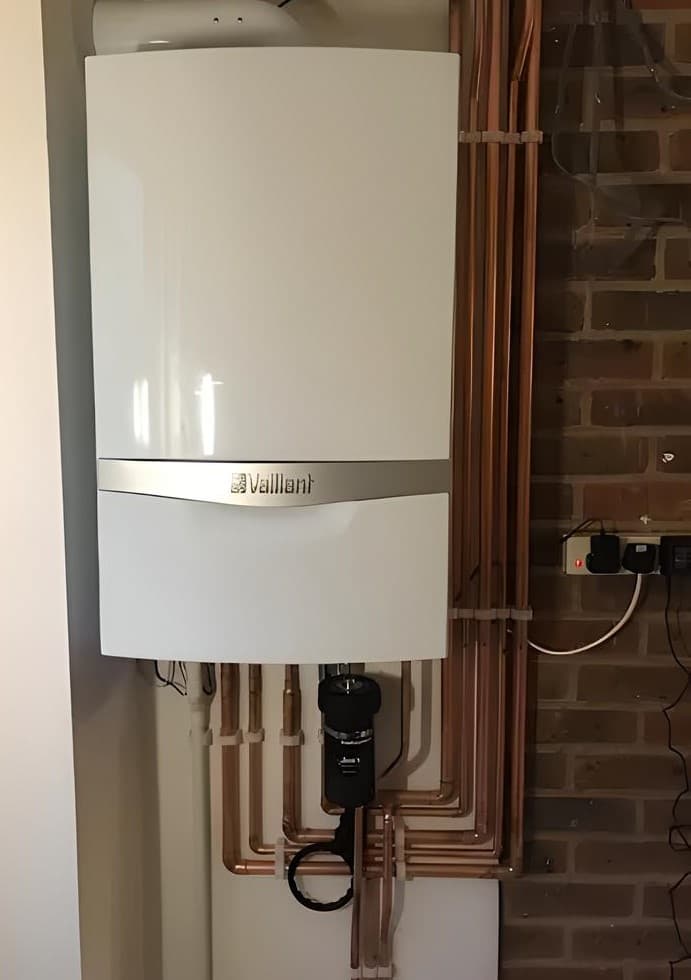
A popular option is a magnetic system filter. This fits permanently on the pipework and captures magnetic sludge as the water flows through, helping to keep the system cleaner between services.
Regular inhibitor top-ups are also important. Over time, inhibitor levels fall as water is lost or the system is drained for work. An engineer can check and top up the chemical protection during routine boiler servicing.
Balancing radiators can make a big difference too. This involves adjusting the valves so each radiator gets its fair share of hot water. If some rooms are roasting while others are chilly, balancing alone might solve the problem without a full flush.
Questions to ask your heating engineer
Before you agree to a power flush, it is reasonable to ask for clear explanations. This helps you feel confident you are getting work that your system genuinely needs.
What specific signs make you think a power flush is needed, rather than a simpler fix?
Have you checked for leaks and weak radiators that could fail during a flush?
Are there any alternatives, such as a partial clean, balancing or adding a magnetic filter?
How will you protect older pipework and vulnerable parts of the system?
Will you add inhibitor and balance the system once the flush is finished?
Next steps if you have cold spots or noisy heating
If you are living with persistent cold spots, noisy circulation or radiators that never seem quite right, the best first step is a professional inspection rather than jumping straight to a power flush.
A Armstrong Plumbing & Heating can assess your boiler, radiators and pipework, explain the cause of the problem in plain English and recommend the most suitable fix, whether that is balancing, fitting filters, topping up inhibitor or carrying out a full system clean.
To arrange a heating system check or to talk about heating repairs and boiler servicing, contact A Armstrong Plumbing & Heating on 07904590952. If you are unsure whether your boiler noises or radiator issues point to sludge, book an inspection and get clear, honest advice before you commit to any major work.
Other Articles