How your mains water supply affects a combi boiler, a simple check you can do yourself, and the other options when pressure is low.
Blog
Will a combi boiler work if my water pressure is low?
A Armstrong Plumbing & Heating
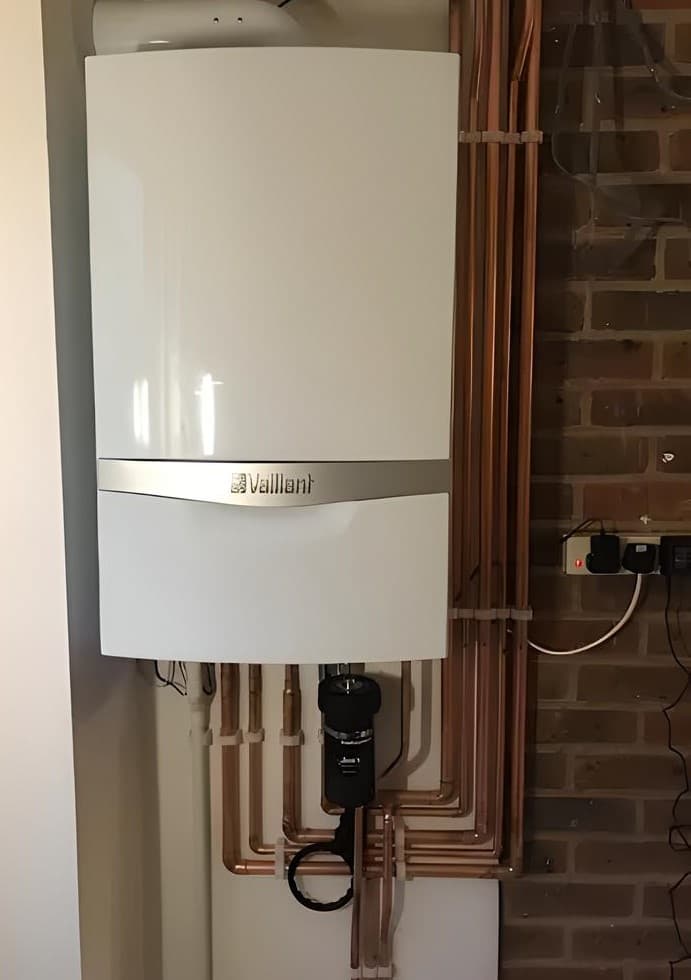
A combi boiler will usually still heat your home if your mains water pressure is low, but your hot water may suffer. A combi heats water straight from the mains as you use it, so if not much water comes into the house, not much hot water comes out of the taps and showers. In some homes that's fine. In others, it means weak showers, especially if two taps are used at once.
This post explains the difference between water pressure and flow, a simple test you can do at home, what affects a combi's performance, and the options if your supply is low. The test is safe for anyone to do. Anything involving the boiler, the gas supply or an unvented cylinder is a job for a qualified engineer.
Pressure and flow are not the same thing
People often say "water pressure" when they mean two different things:
Pressure is how hard the water is pushed through the pipes, measured in bar.
Flow rate is how much water comes out in a given time, measured in litres per minute.
You can have reasonable pressure but poor flow, for example if the supply pipe into the house is old or narrow. For a combi boiler, both matter. Most combis need a minimum mains pressure to work properly (often around 1 bar, but check the manufacturer's instructions), and the flow rate decides how much hot water you can get at once.
A simple test you can do
You can get a rough idea of your flow rate with a bucket and a timer:
Make sure no other taps, showers, washing machines or dishwashers are running.
Turn the kitchen cold tap on fully. This is usually fed straight from the mains.
Time how long it takes to fill a bucket of known size, for example a 10-litre bucket.
Divide the bucket size by the number of seconds, then multiply by 60 to get litres per minute. A 10-litre bucket filled in 40 seconds is 15 litres per minute.
As a rough guide, a flow of 10 to 12 litres per minute or more usually suits a combi in a home with one bathroom. Well below that, a combi may struggle to give a good shower. It's worth doing the test at different times of day, as flow can drop when neighbours are using a lot of water in the morning and evening.
An engineer can measure the pressure and flow more accurately with a gauge as part of a survey.
What affects how well a combi copes
A combi's hot water depends on more than the mains supply:
The boiler's size: a combi's output in kilowatts (kW) affects how much water it can heat at once. A larger combi can heat more water, but only if the flow is there to supply it.
How many bathrooms you have: a combi supplies one outlet well. Two showers at once can be too much, even with good flow.
The supply pipe: an old lead supply or a narrow pipe from the water company's stop tap to the house can limit flow, even when pressure in the street is fine.
Where you are: homes on higher ground or at the end of a long supply run often have lower pressure.
Our post on what a combi boiler is explains how combis work and the homes they suit best.
Your options if pressure or flow is low
Low pressure doesn't always rule out a combi, but it may mean a different set-up. A good engineer will look at your supply before recommending a boiler. Common options include:
Keep stored hot water. A system or regular boiler with a hot water cylinder stores hot water ready to use, so several taps and showers can run at once. A traditional vented cylinder, fed from a tank in the loft, doesn't depend on mains pressure in the same way.
An unvented cylinder, if the flow allows. An unvented cylinder stores hot water at mains pressure, which gives strong showers, but it still needs a good enough mains supply to work well. It must be fitted by an engineer qualified to install unvented systems.
Replace the supply pipe. If your incoming supply pipe is old lead or very narrow, replacing it can improve flow to the whole house. You're usually responsible for the pipe on your side of the boundary.
Ask the water company to check. If your pressure has dropped suddenly, there may be a problem with the supply. Your water company can check the pressure in the street.
Never fit a pump that draws water straight from the mains to boost it without checking the rules first. The Water Supply (Water Fittings) Regulations limit this, and some pumps need the water company's consent.
Why it's worth getting it right before you buy
Choosing a boiler without checking your water supply is one of the most common reasons people end up disappointed with a new combi. The heating may work perfectly, but a weak shower every morning soon becomes frustrating, and changing the system later costs far more than planning it properly at the start.
One of our customers put it well after a boiler replacement, saying we "researched the best system for us to overcome the low water pressure we have here". That's the point of a proper survey: matching the boiler and hot water set-up to your home's supply, not just swapping like for like.
How we can help
A Armstrong Plumbing & Heating is Gas Safe registered, G3 unvented qualified, and a Vaillant and Glow-worm accredited installer. Before recommending a boiler, we check your water pressure and flow, how many bathrooms you have and how you use hot water, then explain the options, whether that's a combi, a system boiler with a cylinder or an unvented hot water system. If you're thinking about a new boiler and aren't sure your water pressure is up to it, find out more about our boiler installation service and book a survey.
Other Articles