
Blog
Boiler Service Checklist: What a Good Service Includes
Know exactly what should happen at your annual boiler service and how to tell when you might need a repair instead.
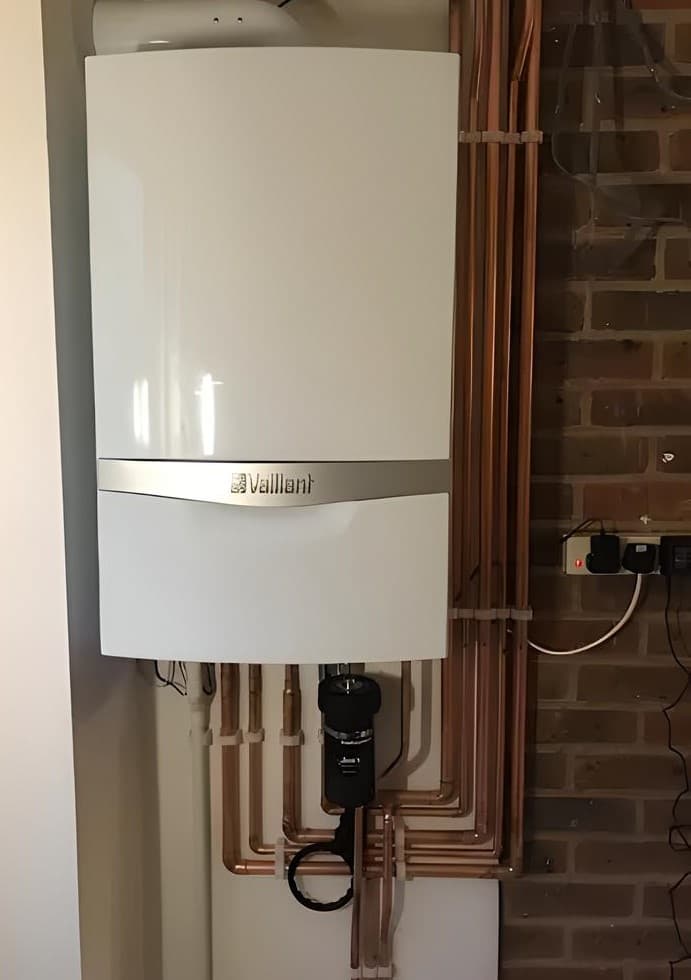
Keeping your boiler in good condition is one of the simplest ways to avoid breakdowns, stay safe and keep your heating bills under control. A proper service is more than a quick look and a stamp in the book, and it helps to know what should be included.
How often your boiler should be serviced
Most manufacturers recommend a service every 12 months to keep your warranty valid and your boiler running efficiently. For many homes, an annual service is enough if the boiler is working normally between visits.
If you have an older boiler, vulnerable people in the home or a history of issues, speak to your engineer about whether more frequent checks make sense. Always use a Gas Safe registered engineer for any gas work, including servicing.
Boiler service checklist: what should be included
A good boiler service follows a structured process so nothing important is missed. While each engineer has their own routine, you can expect most or all of the steps below.
Visual inspection of the boiler, pipework, flue terminals and ventilation
Safety checks including gas pressure, combustion and flame picture
Flue and ventilation checks to confirm safe removal of fumes
Controls and settings check so your heating runs as it should
Condensate pipe and seals inspection for leaks or damage
Cleaning of accessible components where appropriate
Paperwork and advice including any faults or future recommendations
Visual inspection and basic checks
The engineer will start by checking your boiler’s overall condition and the surrounding area. They will look for signs of corrosion, scorching, water staining or damage to the casing and pipework.
They will also confirm that the boiler is installed correctly, has enough clearance around it and that your flue terminals outside are not blocked or damaged. Any obvious signs of leaks or instability should be flagged immediately.
Gas safety checks and combustion testing
Next, the engineer will carry out safety checks to make sure the boiler is burning gas correctly. This often includes checking the gas pressure and, on modern boilers, using a flue gas analyser to measure combustion.
The aim is to confirm that the boiler is operating safely and efficiently, with no evidence of incomplete combustion that could increase the risk of carbon monoxide. Only a Gas Safe registered engineer should perform these tests.
Flue and ventilation checks
The flue is what takes exhaust gases safely out of your home. During a service, the engineer will check that the flue is secure, appropriately supported and not restricted.
They will also check any ventilation requirements for your boiler type. Poor flueing or blocked vents can be dangerous, so any issues should be treated as a priority.
Controls, thermostat and system checks
A thorough service includes making sure your controls are working properly. The engineer will usually run the boiler through its basic functions and may check room thermostats and programmers respond as they should.
They may also check the system pressure on a sealed system, bleed radiators if needed and confirm that safety devices, such as pressure relief valves, are not obviously faulty.
Condensate pipe, seals and internal components
On a modern condensing boiler, the condensate pipe carries waste water away to a drain. Your engineer will look for signs of blockages, freezing risk outside and any leaks from joints or traps.
They will inspect accessible seals and gaskets for signs of wear or water staining. Where appropriate, they may remove the boiler casing to visually check key components and look for early signs of internal corrosion or damage.
Cleaning accessible parts where appropriate
Not every service involves a full strip down, but a good engineer will clean parts that are designed to be serviced. This might include cleaning out the burner area, condensate trap and heat exchanger surfaces where it is safe and recommended.
The level of cleaning depends on the boiler make, model and condition. Your engineer should be able to explain what they have cleaned and why, in clear, non-technical language.
Paperwork, certificates and communication
At the end of the visit, you should receive a record of the service. For homeowners, this is often a service checklist or notes in your service book. Landlords also need a separate annual Gas Safety Record.
The paperwork should confirm what has been checked, any readings taken and any defects found. Keep these records somewhere safe, as they are useful for warranty claims, future diagnostics and when selling your home.
Just as important is a clear explanation. Your engineer should talk you through any advisories, explain what is urgent and what can be monitored, and give simple advice on how to look after your boiler between services.
Questions to ask during a boiler service
A service is a great opportunity to get practical advice tailored to your heating system. Do not be afraid to ask questions while the engineer is there.
How is my boiler performing for its age and condition?
Are there any parts showing wear that might cause trouble later?
Is my system pressure and corrosion protection (like inhibitor) adequate?
Are my controls set up for best efficiency and comfort?
Do you have any recommendations to reduce breakdown risk?
A good engineer will be happy to answer in plain English and will never pressure you into work you do not need. Use their knowledge to make informed decisions about repairs, upgrades or future replacement.
Signs you may need a repair instead of just a service
A routine service is for a boiler that is basically working. If your boiler is misbehaving, you may need a fault-finding visit or repair first, with a service carried out once it is stable and safe.
Look out for issues such as frequent lockouts or the boiler cutting out shortly after starting, ongoing pressure loss that needs constant top-ups, unusual banging, whistling or gurgling noises, or any signs of leaks around the boiler or nearby pipework.
Book your annual boiler servicing
Regular servicing is one of the best ways to avoid expensive breakdowns and keep your home comfortable all year round. It also helps pick up early signs of problems such as corrosion or noisy operation before they turn into a full failure.
To arrange reliable annual boiler servicing, contact A Armstrong Plumbing & Heating on 07904590952 or book through our boiler servicing page. We will carry out a thorough service, explain everything clearly and help keep your heating running safely and efficiently.
Other Articles


